Coastal Gardens
The Garden Design Process: From First Ideas to a Finished Garden
What actually happens when you hire a garden designer? We walk you through how we work, from the first phone call to the planting going in, and what to expect along the way.
If you haven’t worked with a garden designer before, it’s difficult to know what you’re signing up for. When do you see what the garden will look like? Who chooses the paving? At what point does someone actually pick up a spade?
We’ve been designing gardens in Kent for fifteen years and have worked on more than 250 of them, from small courtyards in Hythe to large coastal plots exposed to everything the Channel throws at them. The details change from garden to garden, but the way we work stays broadly the same. Here it is, stage by stage.
Stage One: Getting to Know You and Your Garden
Step 1: The initial conversation
It usually starts with a phone call or an email. You don’t need to arrive with a plan. Many clients contact us because their garden isn’t working for them and they can’t pinpoint why.
You might want somewhere to eat outside with friends, a spot that catches the evening sun, less weeding, or just a garden that feels entirely different from the one you’ve got. We’ll talk about that, along with the rough size of the space and the budget you have in mind, so we can tell you honestly whether our full garden design service is the right fit or whether something lighter would suit you better.
Step 2: The garden consultation
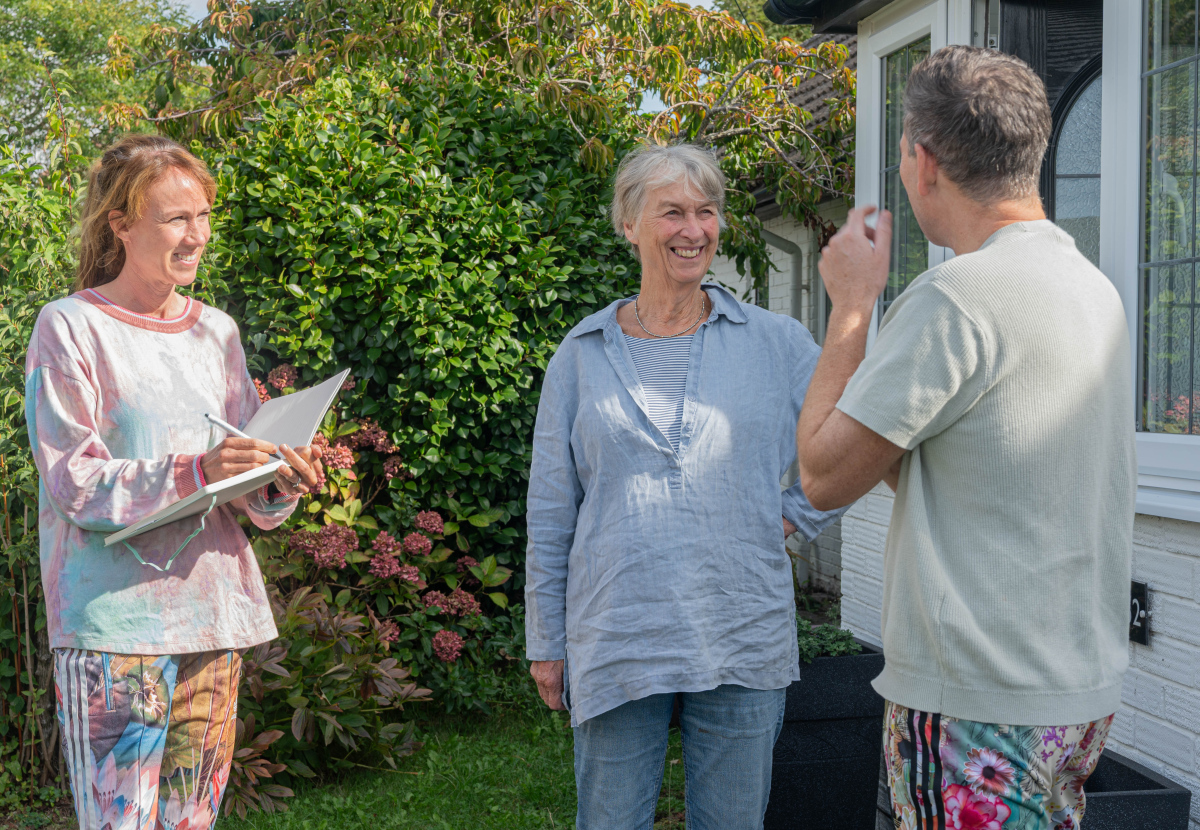
Next, we come and see the garden. The first consultation is free if you’re within 25 miles of our Hythe studio. Further afield, we charge for travel, and that cost comes off the garden design fee if you proceed with us.
On the visit we look at how the garden works now, how it sits against the house and what’s going on around it. Just as much of the time is spent talking about you. Do you entertain a lot? Do you want to grow vegetables? Are you drawn to big, loose, colourful planting, or something calmer and more structured?
Those answers shape the design as much as any measurement. We want the finished garden design to feel like yours, not like a showcase for our own taste.
Step 3: Understanding the site
Before we draw anything, we survey the garden: boundaries, buildings, trees, levels and anything else that has to be worked around. On smaller gardens we usually do this ourselves. For larger or more complicated sites, we’ll recommend a professional topographical survey so the drawings are accurate enough to build from.
We also look at the things a tape measure won’t pick up, such as where the sun falls through the day, which way the wind comes from, how the ground drains, what the neighbours can see and what you can see from the house.
Being on the Kent coast, we spend a lot of time dealing with salt-laden wind and soils that range from fast-draining shingle and sand to heavy clay. Getting to grips with all this early on is what stops a garden from struggling a few years down the line.
Stage Two: Developing the Design
Step 4: The concept
This stage is where the garden design properly starts. Rather than dropping a patio here and a path there, we look at the garden as a whole. How will you walk through it? What’s the view from the kitchen window? Where would you actually want to sit at six o’clock on a summer evening? Could a tree frame something worth looking at, or could planting give you privacy without boxing you in?
The answers gradually settle into a layout that does the practical jobs you need while still hanging together as one garden.
Step 5: The look and feel
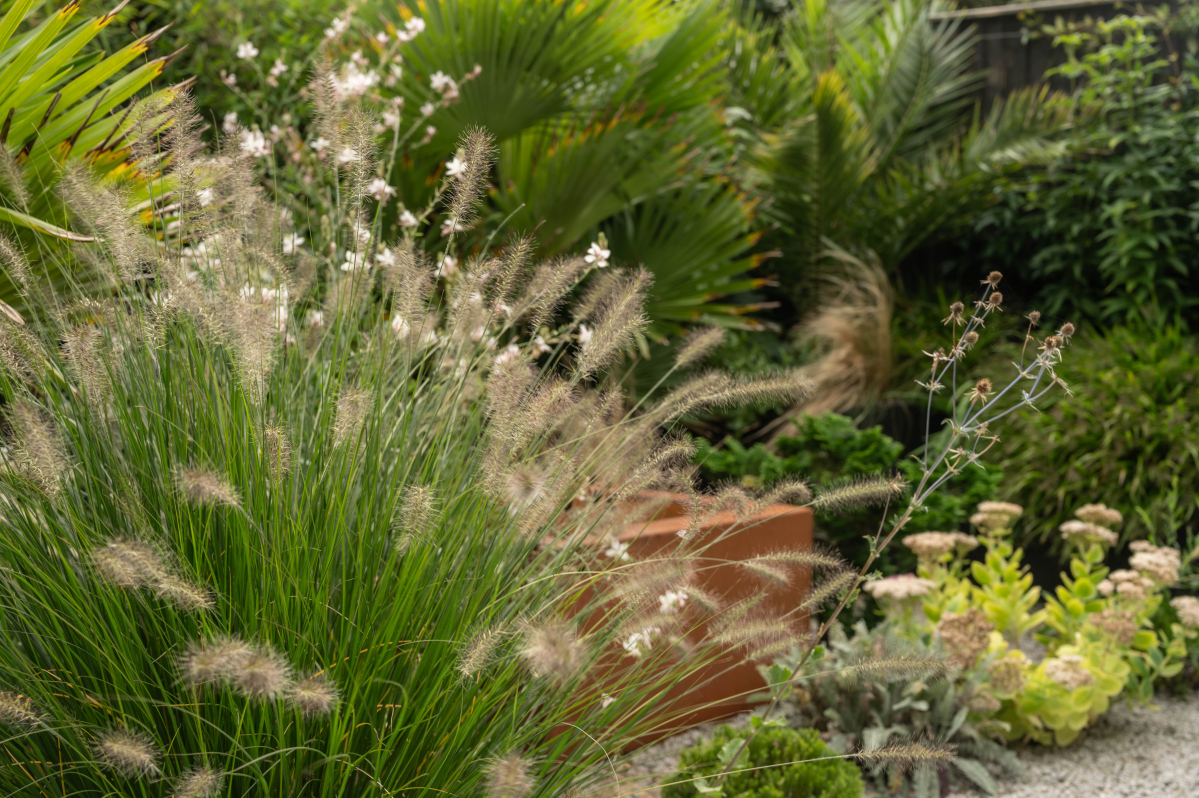
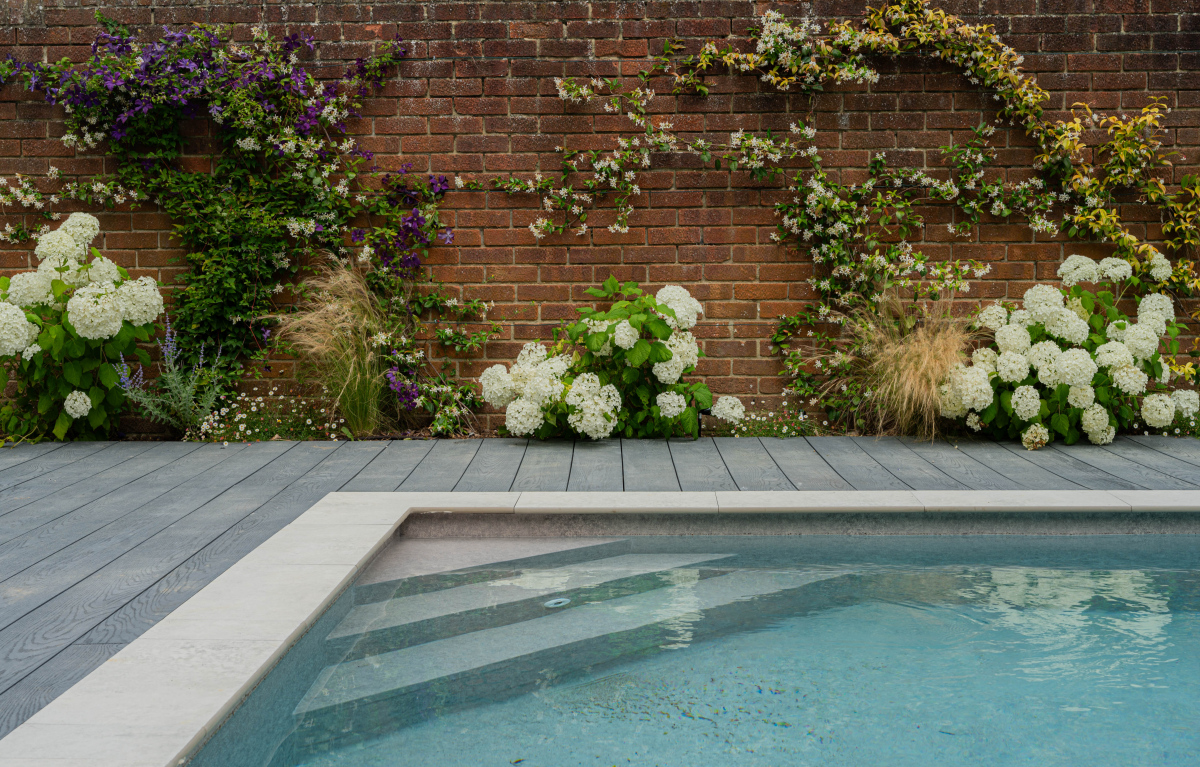
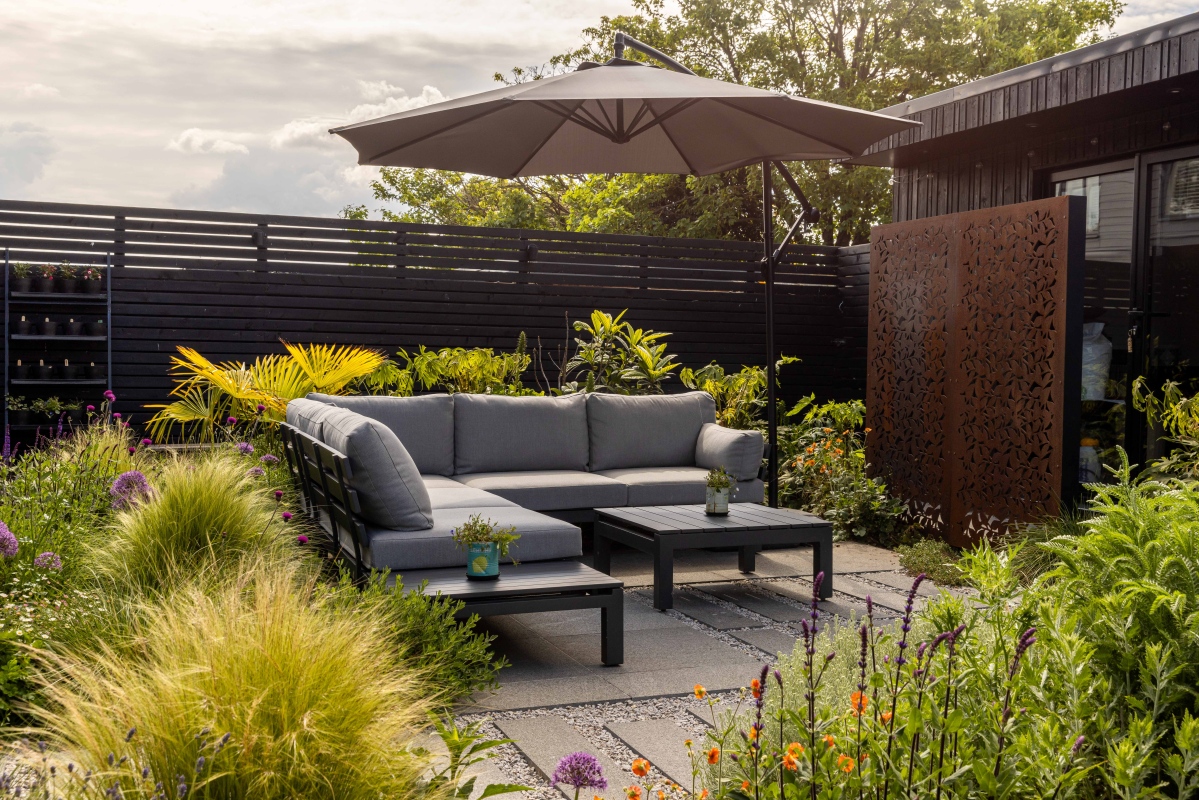
At the same time, we work out the garden’s character: its materials, colours, textures and planting style. One garden might call for warm stone, old-looking timber and soft, romantic borders. Another might suit Corten steel, gravel and tall grasses.
On coastal projects we often take our cues from the landscape itself, with the greys and buffs of shingle, grasses bent by the wind and timber that’s weathered silver. We’re not interested in chasing trends. The gardens that last are the ones that belong to their setting and their house.
Step 6: Seeing your garden before it’s built
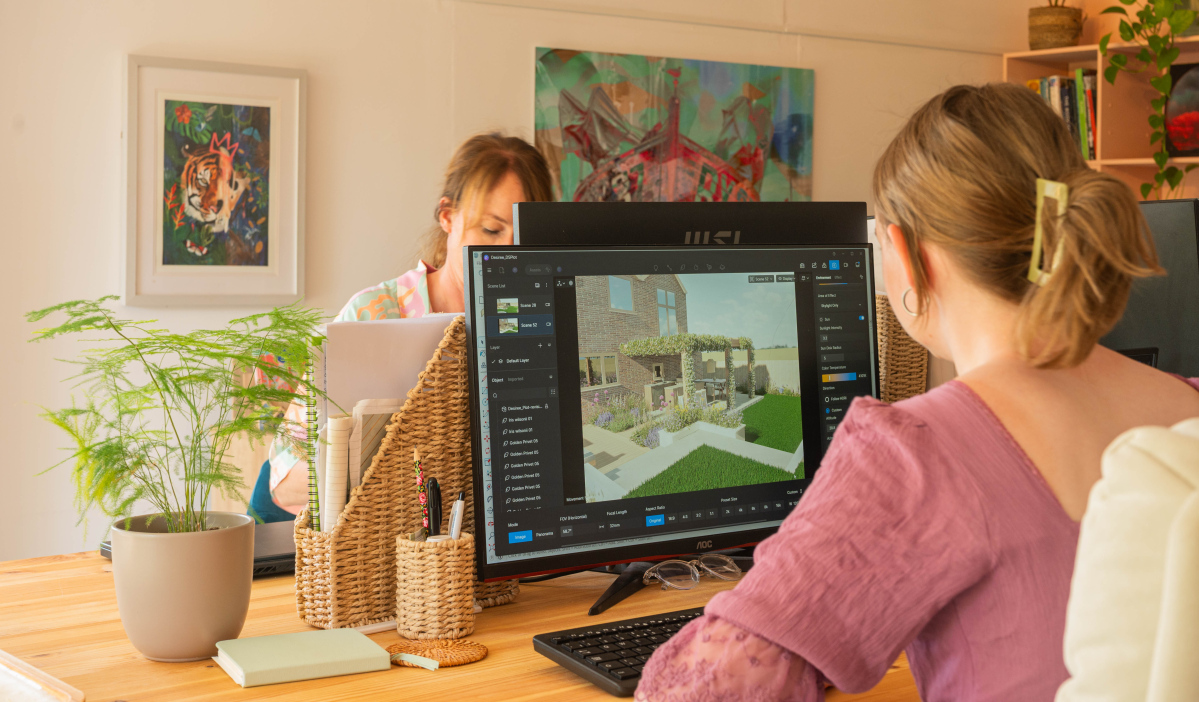
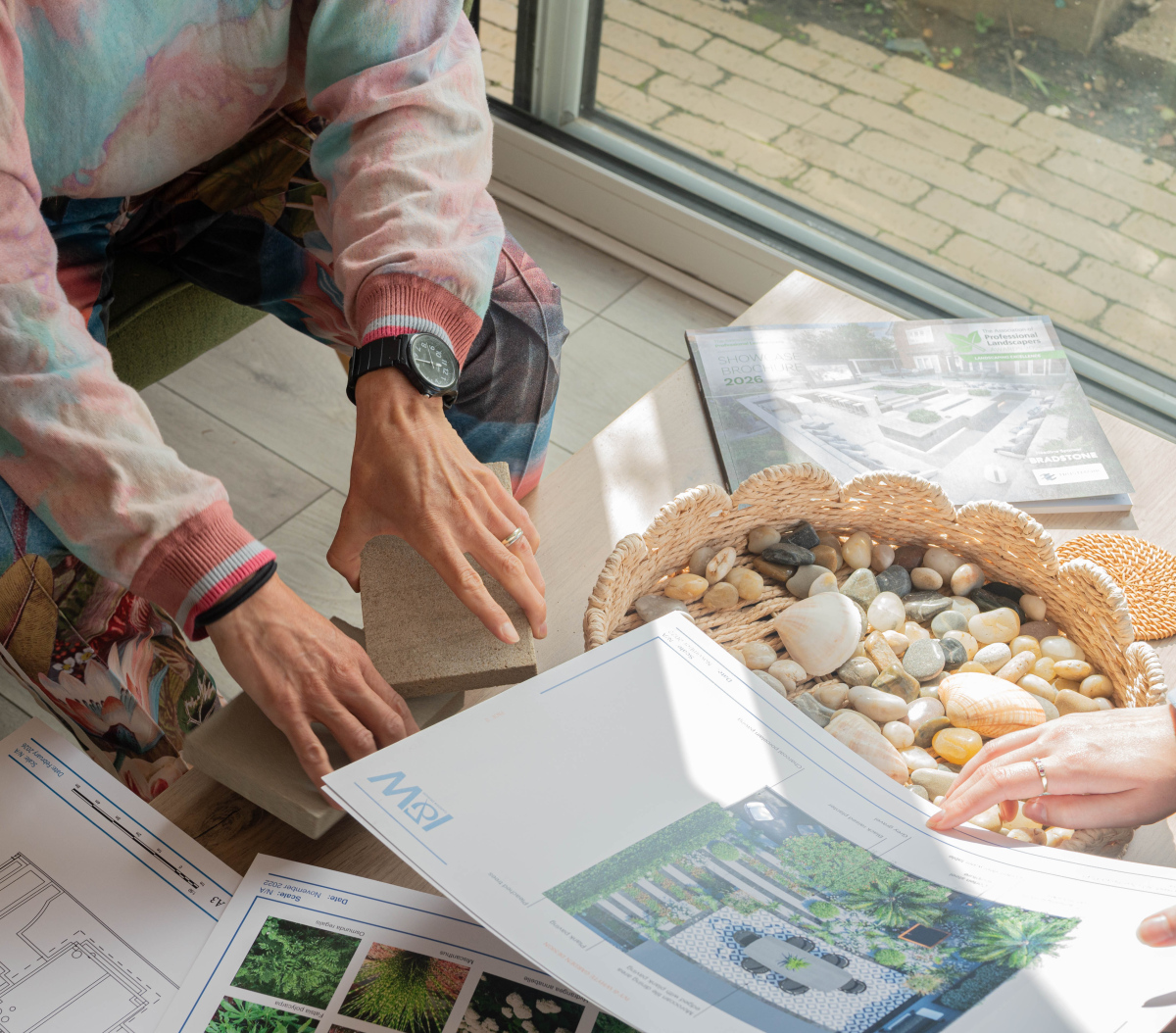
Most people find a flat plan difficult to read, and it’s even harder to picture how a space will feel to stand in. So we pull the concept together into a garden design presentation: a design pack, detailed visuals and a walkthrough video that takes you through the proposed garden.
You get a clear sense of how the different areas connect, how the materials sit next to your house and how the planting softens it all. It’s also the cheapest point at which to change your mind. Moving a terrace on a drawing costs very little. Moving it once it’s laid is much more complicated.
Stage Three: Refining the Design
Step 7: Revisions
Once you’ve seen the concept, we sit down together and go through it. You might love the layout but want a bigger dining area, more planting, or a different material for the paths. Our full garden design package includes two rounds of revisions, so there’s room to adjust things properly before anything is fixed.
We’ll explain why we’ve made the choices we have, so you’re not just reacting to a picture but understanding the reasoning behind it. By the end of this stage we should both be clear on what the garden is going to be.

Stage Four: Turning Ideas into Detailed Plans
Step 8: The detailed design
A good visual shows what the garden will look like. The detailed design explains how to build it.
Depending on the project and what we’ve agreed, this can include scaled plans, dimensions and setting-out, construction details, levels, steps, walls, raised beds, lighting layouts and drawings for any bespoke features.
This is the less glamorous part of the job, but it matters. Steps have to be comfortable to walk up, not just look nice. A paving pattern has to work with the actual dimensions of the space. Lighting needs planning before the ground is closed up, not after. Small decisions like these make a big difference to how a garden feels to use every day.
Step 9: Choosing the materials
Paving, brick, gravel, timber and metal all bring their own colour and texture, and they have to work as a set rather than being picked one by one. We look at how they relate to the house, the surroundings and the rest of the design.
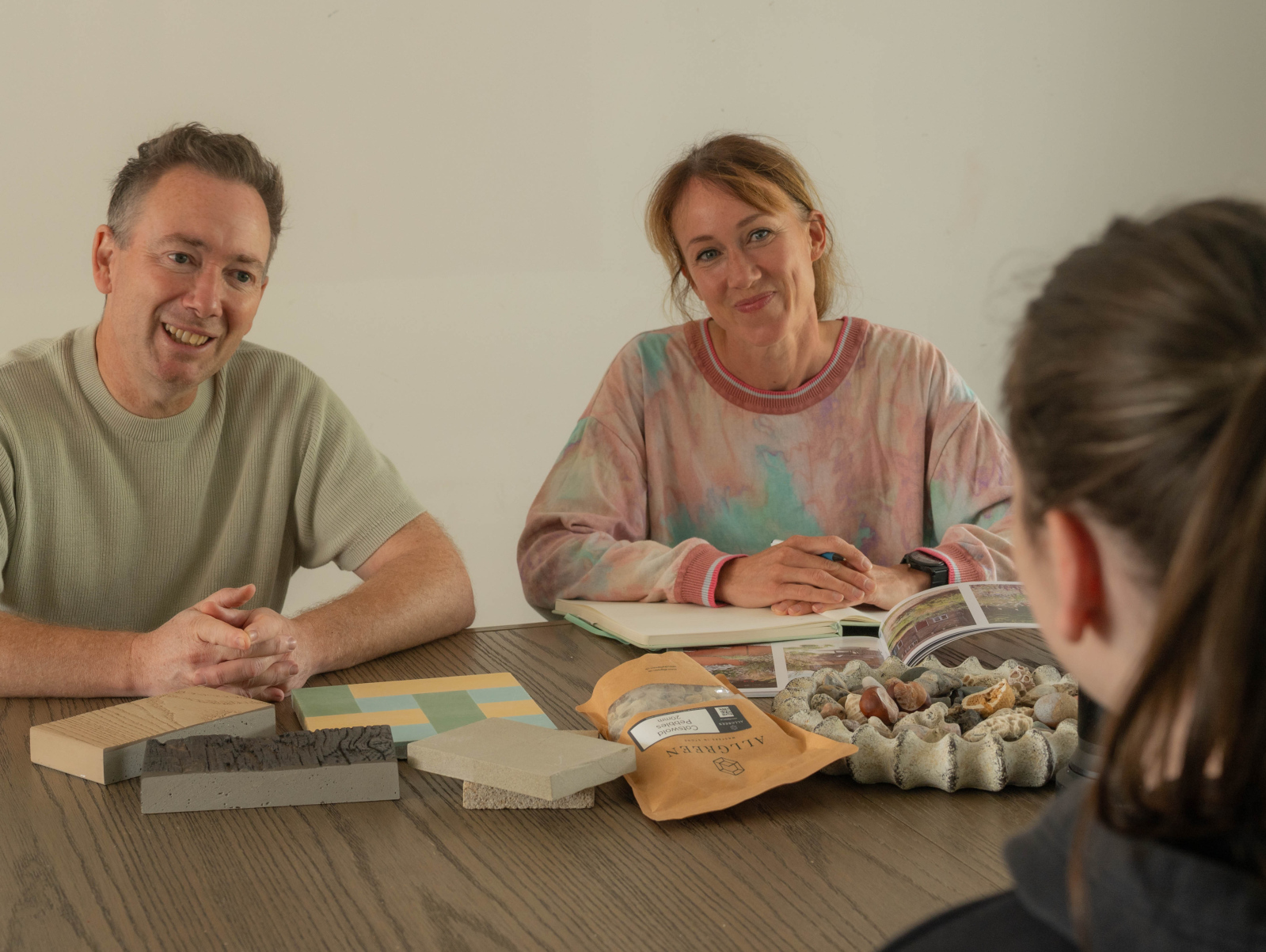
Wherever we can, we work with physical samples. A stone slab can look completely different in real daylight than it does in a photo, and different again when it’s wet (which, in Kent, is worth knowing). In our experience a short, restrained list of materials almost always looks better than a long one.
Stage Five: Bringing the Design to Life
Step 10: Preparing for construction
Designers and landscape contractors do different jobs. We set the vision, the layout, the materials and the details. The contractor brings the building know-how, the machinery and the skilled hands.
A finished set of drawings means that all contractors are pricing the same thing, so you can compare quotes on a like-for-like basis and see exactly what you’re paying for. We work with contractors and suppliers to answer questions and keep the garden design on track. On bigger or more complicated gardens, that coordination can make a real difference to the end result.
Step 11: Construction
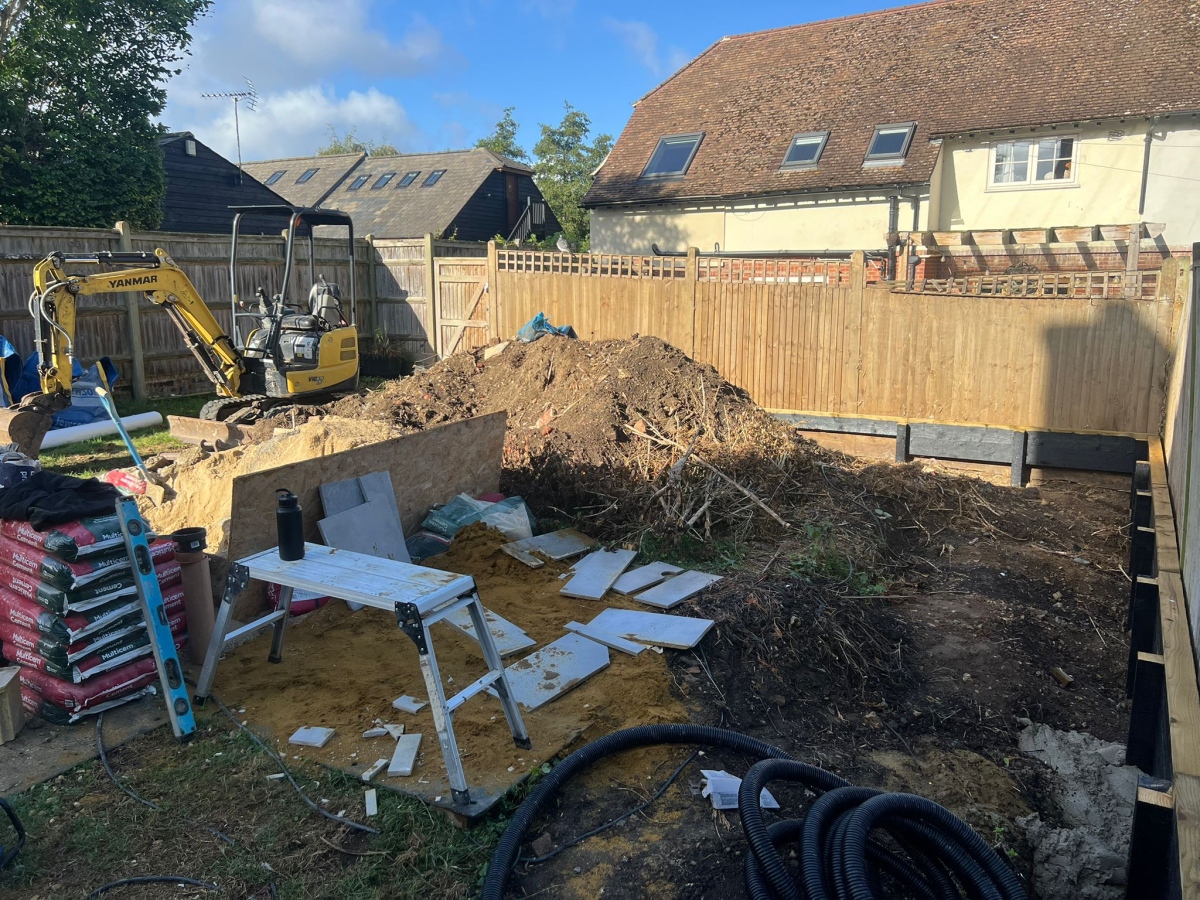
The first few weeks of a build can be a shock. The old surfaces come up, machinery arrives, levels are cut, and the garden can look more like a building site than anything else.
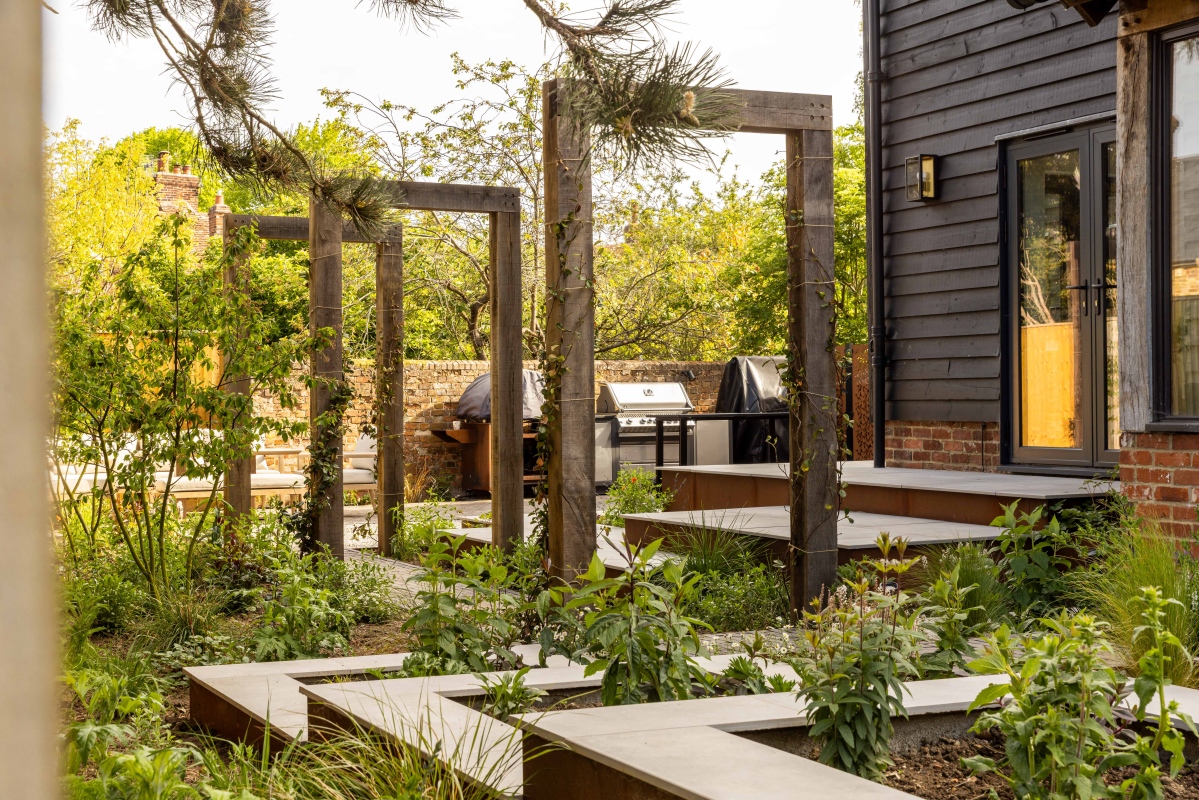
Then the structure starts to appear. Terraces go in, paths link the spaces, walls go up, and the materials begin to give the garden its character.
Depending on what we’ve agreed, we can stay involved through the build, visiting the site and dealing with technical questions so that what gets built matches what was designed. Watching a garden design come off the page and into the ground is still one of the best parts of the job for us.
Stage Six: Planting
Step 12: The planting design
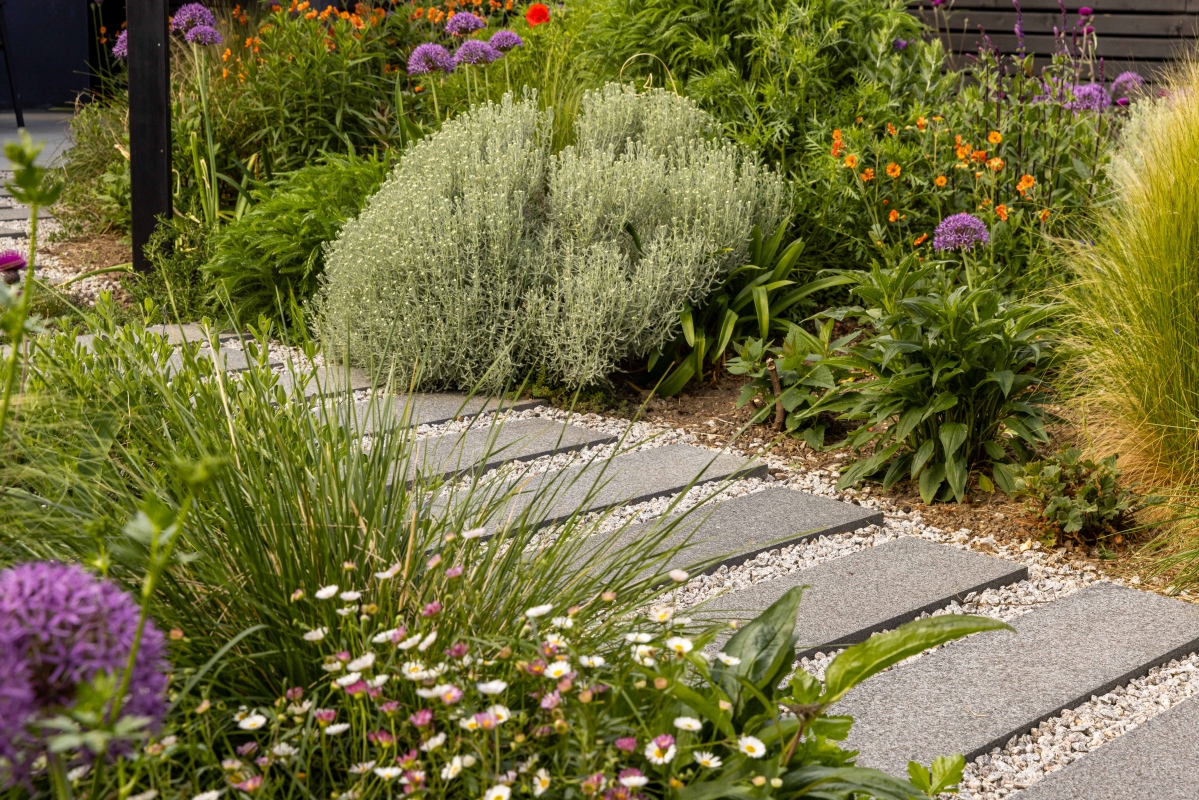
Plants are usually among the last things to arrive on site, but we’ve been thinking about them since the concept stage: how trees, shrubs, grasses and perennials will shape the space, soften the hard edges and keep the garden interesting through the year.
Choosing plants that look good together is only part of it. We take into account soil, sun, moisture and exposure, how big each plant will eventually get, when it flowers, its colour and texture, and how much looking after it needs. Repeating certain shapes and species gives a garden rhythm. Contrasting leaves add depth. And we plan for every season, not just a few weeks in June.
We also want our gardens to be good for wildlife, so we use pollinator-friendly plants and species suited to the conditions wherever it makes sense.
Step 13: Plant supply and planting
If you’d like us to, we can quote separately for sourcing, supplying and planting the scheme.
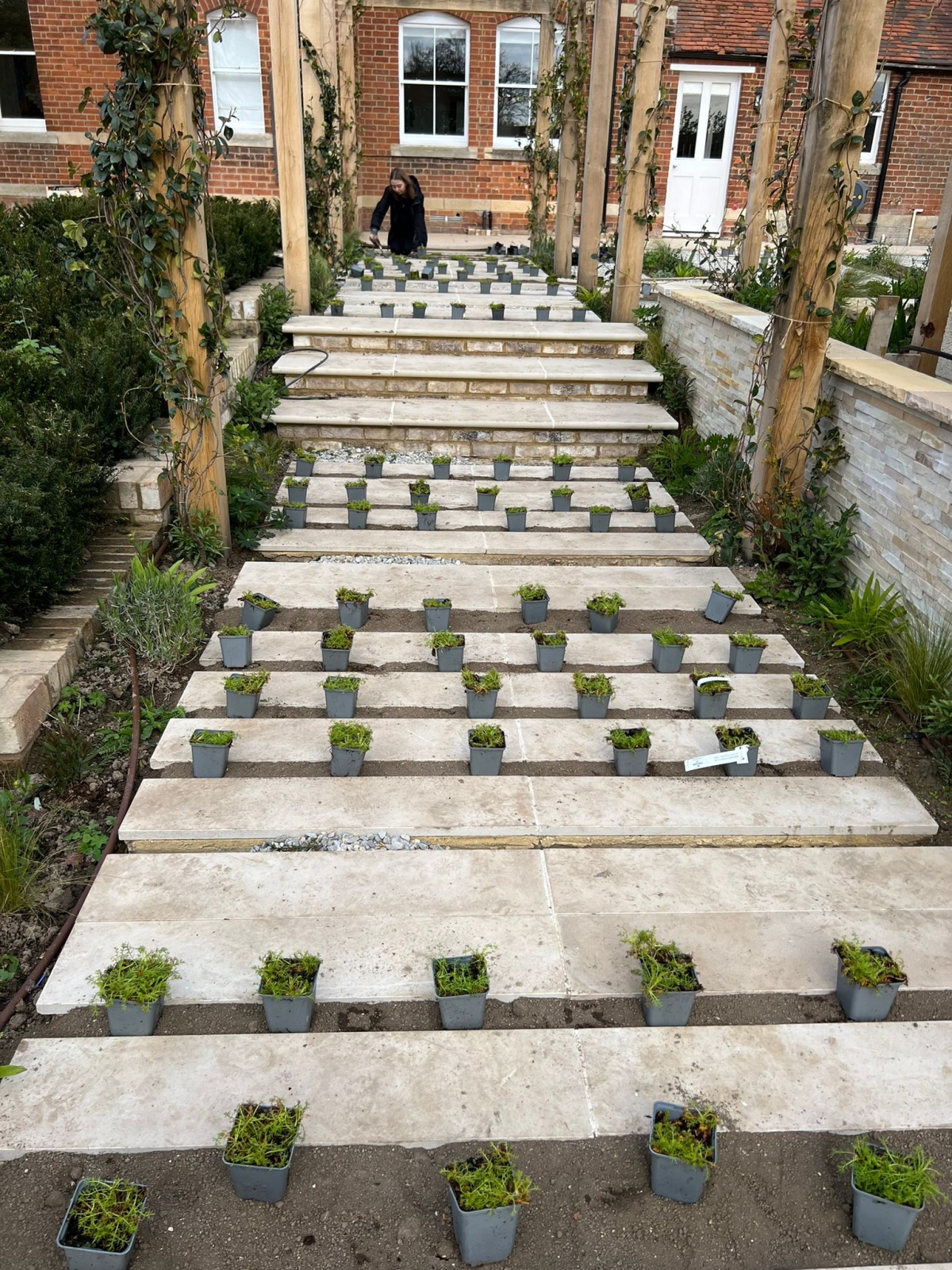
Once the hard landscaping is finished and the beds are prepared, we set the plants out on the ground according to the plan. Seeing them in the real space lets us make small adjustments before anything goes in, nudging a shrub to frame a view or shifting a group to sit better against a wall.
As the planting goes in, the garden changes quickly. Foliage starts to balance the hard surfaces, trees add height, and the separate areas begin to feel like one place. This is usually the moment a new landscape starts to feel like a garden.
Stage Seven: A Garden That Grows with You
Step 14: Watching it develop
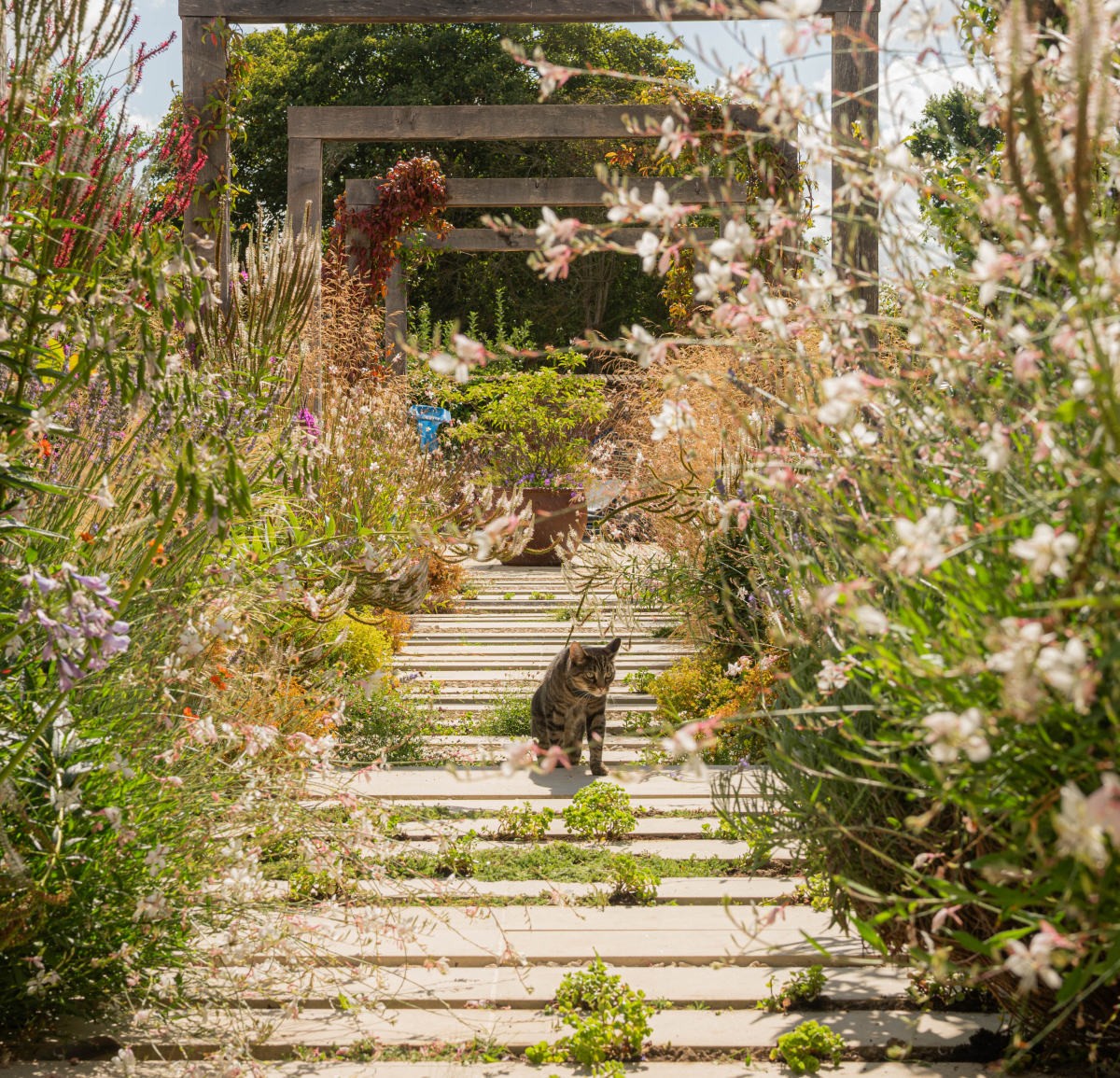
A newly planted garden is a starting point. Over the next few years trees establish, shrubs bulk up, climbers cover their supports and perennials knit together. Because we plan spacing, mature sizes and maintenance from the outset, the garden can fill out without losing its shape.
We offer an aftercare service to help new planting get established. And honestly, some of our favourite gardens are the ones we go back to a few years on, once everything has settled in.
How long does the garden design process take?
It depends on the garden. A small space with a simple brief will move faster than a large site with big level changes, bespoke structures and a lot of planting.
We’d always advise against rushing the design stage. There are ideas to explore, materials to decide on, and technical details to resolve, and all are cheaper to sort out on paper. Build times then depend on how complex the project is, contractor availability, lead times for materials, and the weather.
If you’re hoping to be sitting in your new garden by a particular summer, get in touch earlier than you think you need to.
Do I need a full garden design service?
Not always. Some people want to change everything. Others are happy with the layout and just need help with planting. Sometimes all that’s needed is a designer coming round, looking at the space and talking through the options.
Alongside our full-service garden design, we offer planting design and garden advisory services. We’re happy to talk through which would suit you best.
Why bother with a design at all?
When you’re keen to see your garden transformed, it’s tempting to go straight to a landscaper. But a new garden is a big investment, and decisions made halfway through a build are hard and expensive to undo.
Designing first lets you make those decisions while they’re still cheap. Where should the main terrace go, and how big should it be? Where do the paths lead? What will you see from inside the house? What happens when the planting grows up? Good design means answering those questions for the whole garden, not one feature at a time.
A few common questions
What happens at the first garden design consultation?
We come to your garden, talk about your ideas and how you use the space, and get a feel for what you’d like to achieve. We’ll also discuss your rough budget and timescale and which of our services makes the most sense for you.
Do I need to know what style of garden I want?
No. Many clients start with just a few ideas, and helping you work out what you like is part of our job. Photos of gardens, interiors, buildings or materials you love are a great place to start.
Can I make changes to the design?
Yes. The full garden design package includes two rounds of revisions. Further adjustments, or a significant change to the original brief, may need a separate quote.
Can you supply and plant the garden?
Yes. We can quote separately for sourcing, supplying and planting, and we offer aftercare to help the garden establish.
When should I contact a garden designer?
Well before you want building work to start. Design, detailing, getting quotes and booking a contractor all take time, and starting early gives you room to get the design right.
Starting your garden design
Whether you’ve got a small courtyard, a family garden or a few acres by the sea, we’d love to hear about it. We design gardens across Kent, and we can be involved from the first sketch right through to the last plant going in.
Explore our full-service garden design or get in touch to talk about your garden.